Brooklin, Maine & the Blue Hill Peninsula
Brooklin: A Town That Builds Boats
There are towns that appear on maps, and then there are towns that appear in the American imagination. Brooklin is the latter. Tucked onto the southern edge of the Blue Hill Peninsula, where Blue Hill Bay meets the Eggemoggin Reach, it has a population of fewer than a thousand year-round residents — and yet it has shaped American letters, American seamanship, and American craft in ways no ordinary small town can claim.
Brooklin sits comfortably nestled between the busyness of two major tourist destinations- Acadia National Park and Midcoast Maine, its harbors and tidal coves tailor-made for wooden hulls and quiet mornings. The Friend Memorial Public Library has the highest circulation in Maine for a town of its size — a point of considerable local pride. That statistic is less surprising when you know that this is the town where E.B. White lived and wrote from 1934 until his death in 1985, producing Charlotte's Web, Stuart Little, and The Elements of Style from a small boathouse studio overlooking the water. White's son, Joel White — a naval architect who trained at MIT — established Brooklin Boat Yard in 1960 in a former herring-packing plant, where he became known for classic wooden vessels ranging from dinghies to ocean-going yachts. Today the Yard employs more than 65 people and builds commissioned yachts for clients around the world — including 74-foot daysailer for architect Frank Gehry and a reproduction of Ernest Hemingway’s Pilar for the Wheeler Yacht Company. Still, it is the smallest boat that dots the shoreline of this picturesque coastal village- the ever-present wooden sailing dinghy.
The literary tradition that White seeded here has taken remarkable root. In the summer, Brooklin becomes home to a constellation of American writers — a gathering of talent that would be remarkable in any city, let alone a village of 850 permanent residents. As one local writer put it: in what other small town would that happen?
WoodenBoat magazine opened its editorial offices in Brooklin in 1974, and the affiliated WoodenBoat School followed in 1981, welcoming as many as 800 students each summer for intensive courses in traditional boatbuilding. The result is a town unlike any other — one where the scratch of a pen and the draw of a hand plane are equally honored.
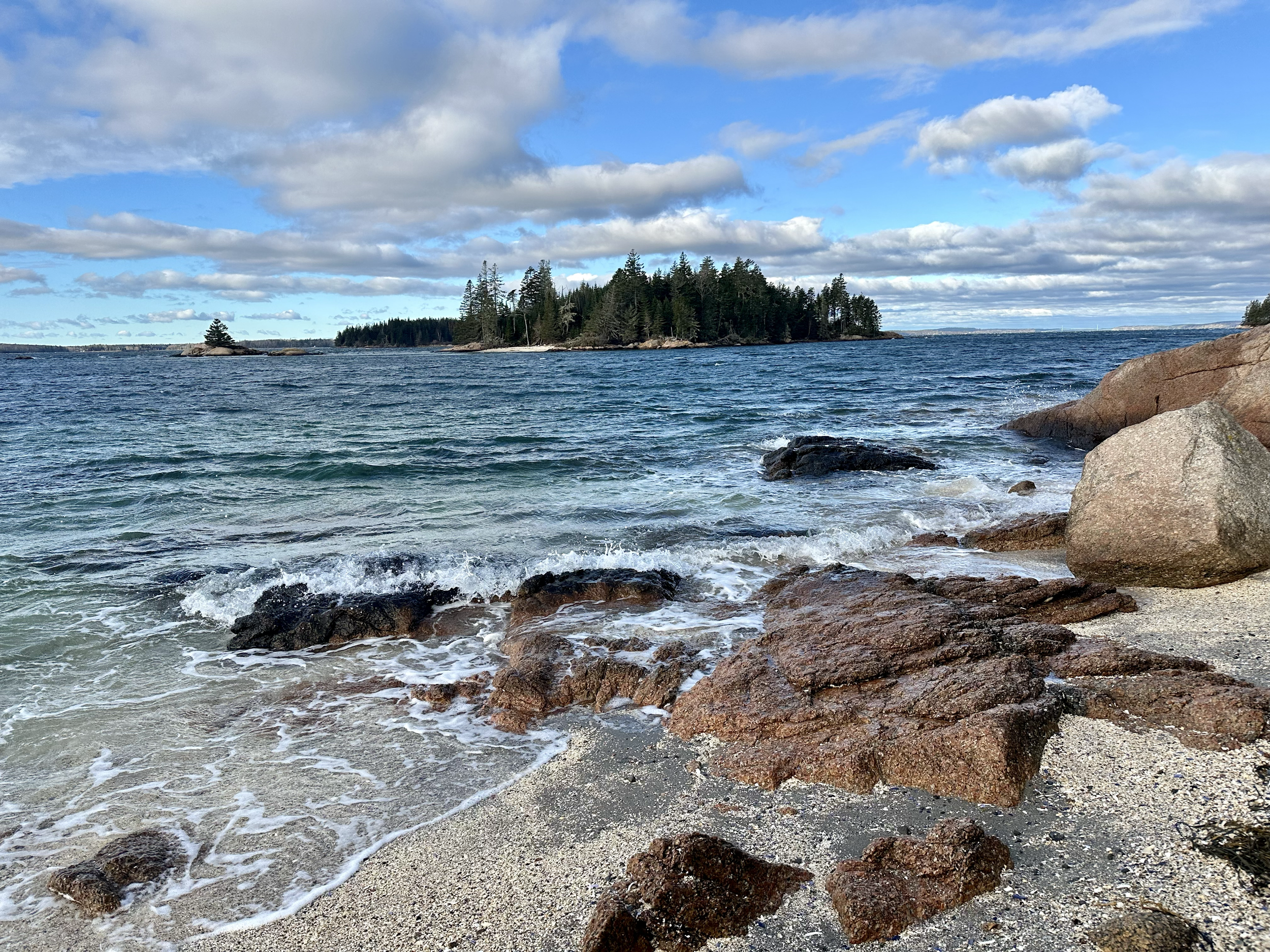
Joes Island in Brooklin, Maine
The Blue Hill Peninsula
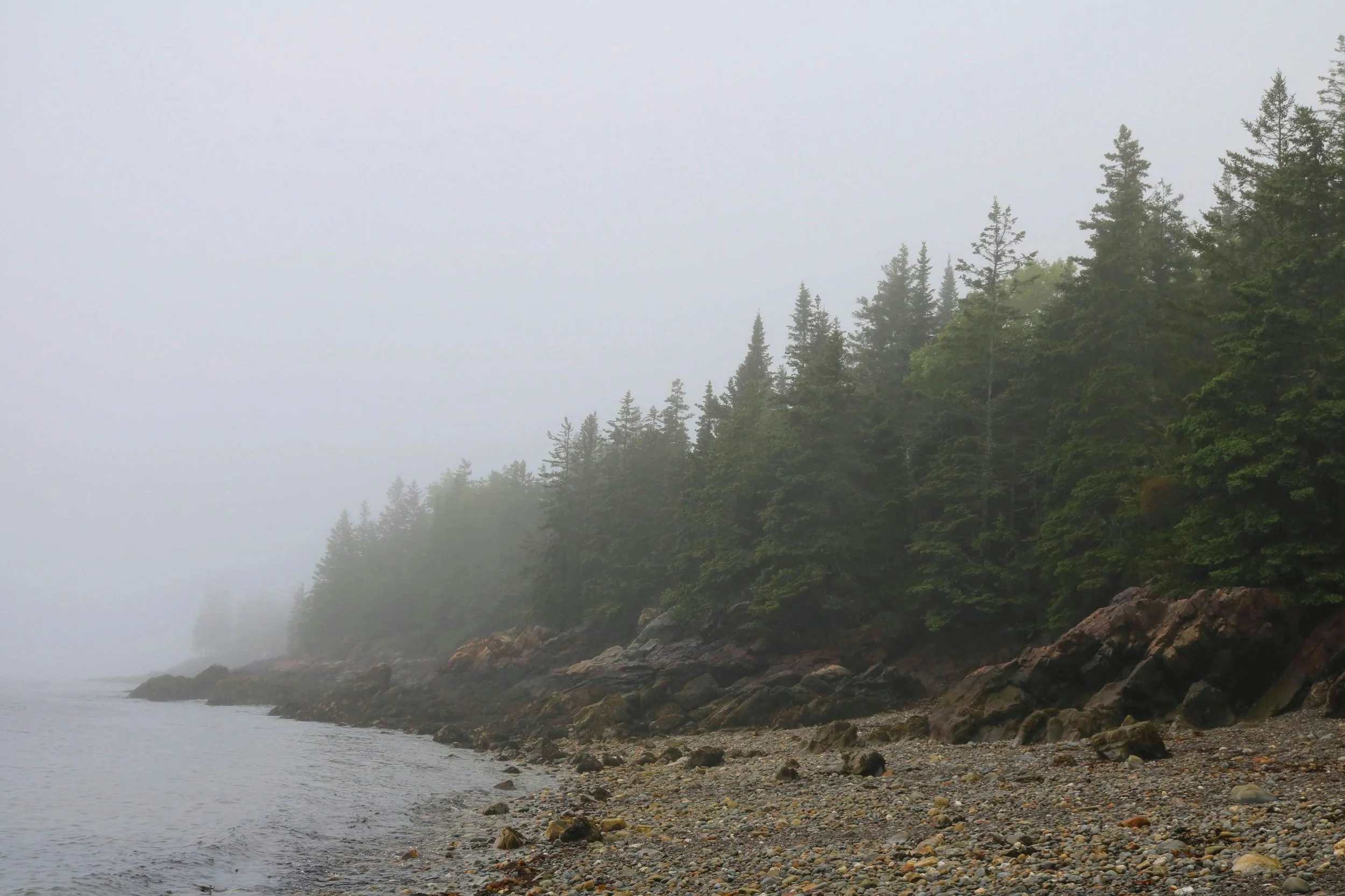
The Blue Hill Peninsula is one of the last places in coastal Maine where the landscape still looks the way it did a century ago. Granite ledges drop into cold, dark water. Spruce forests run to the shoreline. Small harbors hold lobster boats and wooden yachts in equal measure. The pace is deliberate. The beauty is not subtle.
Deer Isle and the Blue Hill Peninsula have the highest concentration of artists and galleries in Maine, drawn in part by the Haystack Mountain School of Crafts, which has attracted makers and artists from around the world for decades — many of whom simply never left. The peninsula's galleries, studios, and working craft shops represent a living tradition of making things by hand, with care, from materials that come from this place.
The culinary scene here punches well above its weight. Tinder Hearth in Brooksville — a wood-fired bakery and pizzeria operating from a farmhouse on a country road — was named one of the nation's best restaurants by the New York Times in 2023, producing just 150 pizzas a night, four nights a week, in a brick oven heated with local wood. Reservations are required well in advance, and guests consider themselves fortunate to have one. In Blue Hill village, the Blue Hill Wine Shop — run by a pair of genuine wine scholars — is widely regarded as the finest wine shop in Maine, carrying old-world bottles you won't find elsewhere in the state, alongside a curated selection of local cheeses and provisions. Tinder Hearth's bread and pastries are delivered to the shop regularly, making it a destination in its own right. The Brooklin Inn, just up the road from High Head, offers an acclaimed farm-to-table dining room with a garden patio strung with lights — the kind of meal that feels specific to this place and this season.
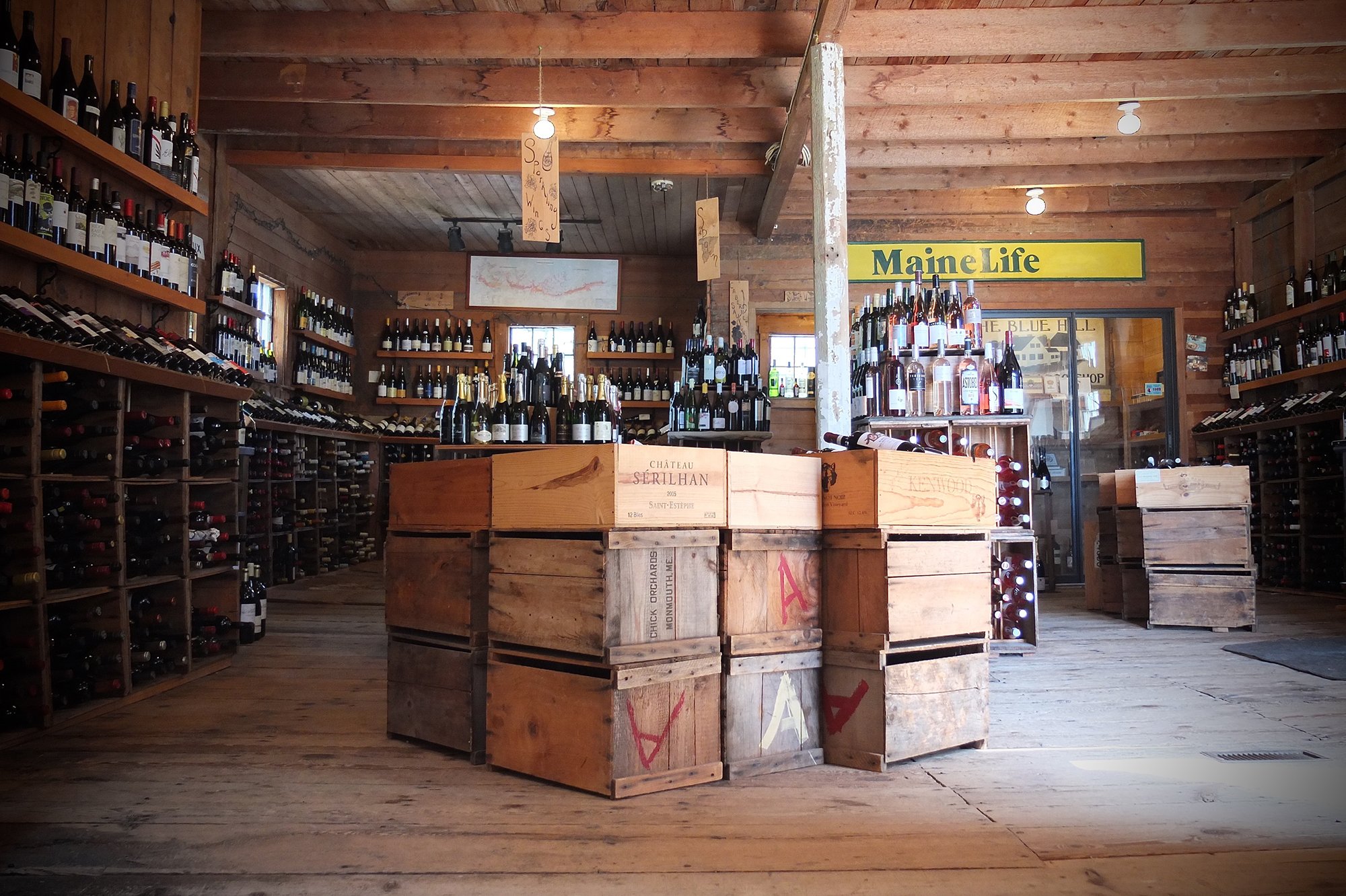
The Blue Hill Wine Shop in Blue Hill, Maine
Deer Isle, Stonington, and Surrounding Destinations
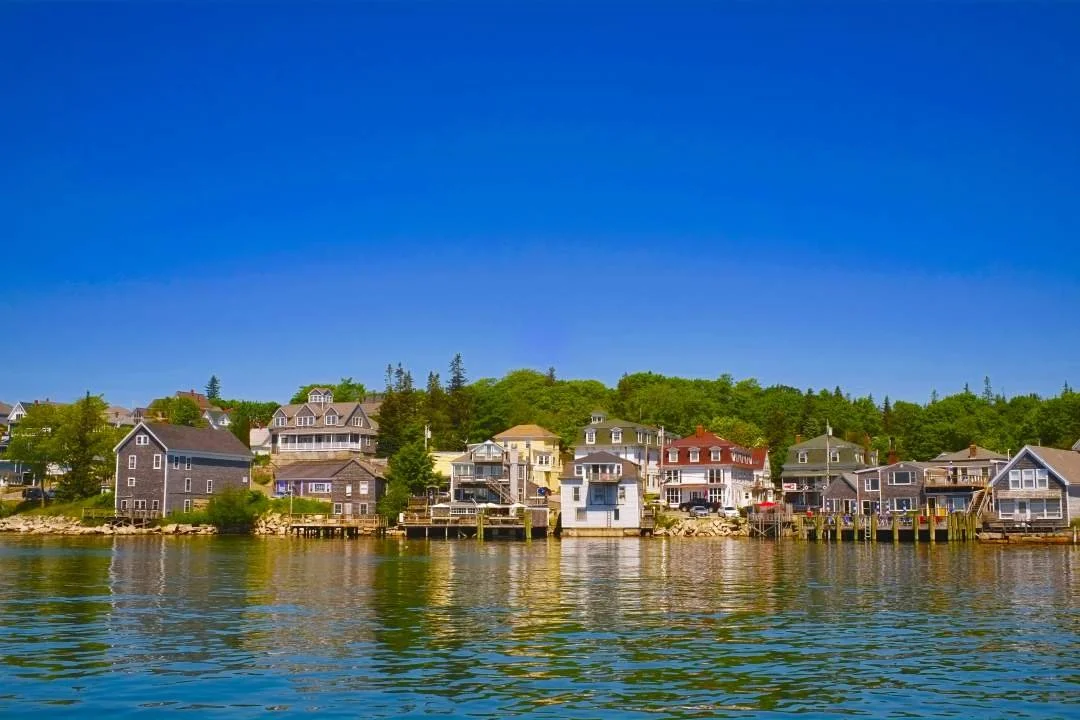
Deer Isle & Stonington
Deer Isle & Stonington are just across the bridge — a 30-minute drive that takes you over the graceful suspension span spanning Eggemoggin Reach and onto one of the most beautiful islands on the Atlantic coast. Stonington, at the island's southern tip, is a working granite and lobster town that has barely been touched by tourism. The harbor is active and honest. Eight lighthouses mark the Deer Isle Lighthouse Trail, and the island is ringed with hiking paths, kayaking coves, and tidal pools. Pilgrim's Inn, set on a narrow strip of land between a mill pond and the harbor in Deer Isle village, is among the most intimate and well-regarded inns on the Maine coast.
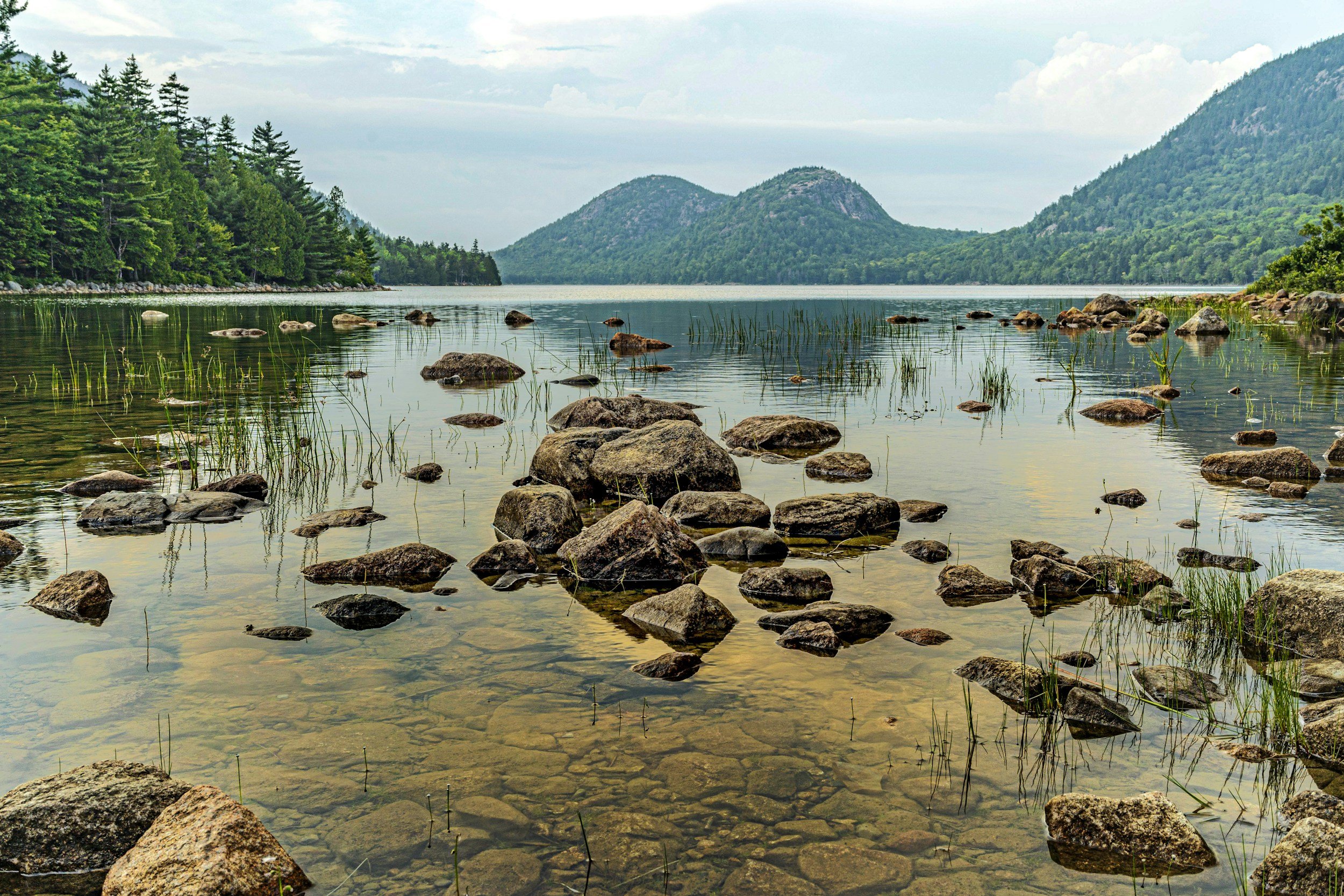
Few destinations on the Eastern Seaboard command the kind of reverence that Acadia does — a place where granite peaks meet the cold Atlantic in a collision of raw, untamed beauty. From High Head, Bar Harbor is an easy sail or scenic drive up the coast, arriving at a town that has long attracted those who prefer their wilderness with a side of refinement. Carriage roads engineered for Rockefeller-era leisure wind through the park's interior, while the summit of Cadillac Mountain — first to catch the sunrise on the American continent for much of the year — rewards the early riser with a view that resets the soul. Bar Harbor's restaurant scene has quietly grown into something worth seeking out, and the island's sailing waters are among the most storied on the coast.
Bar Harbor & Acadia National Park
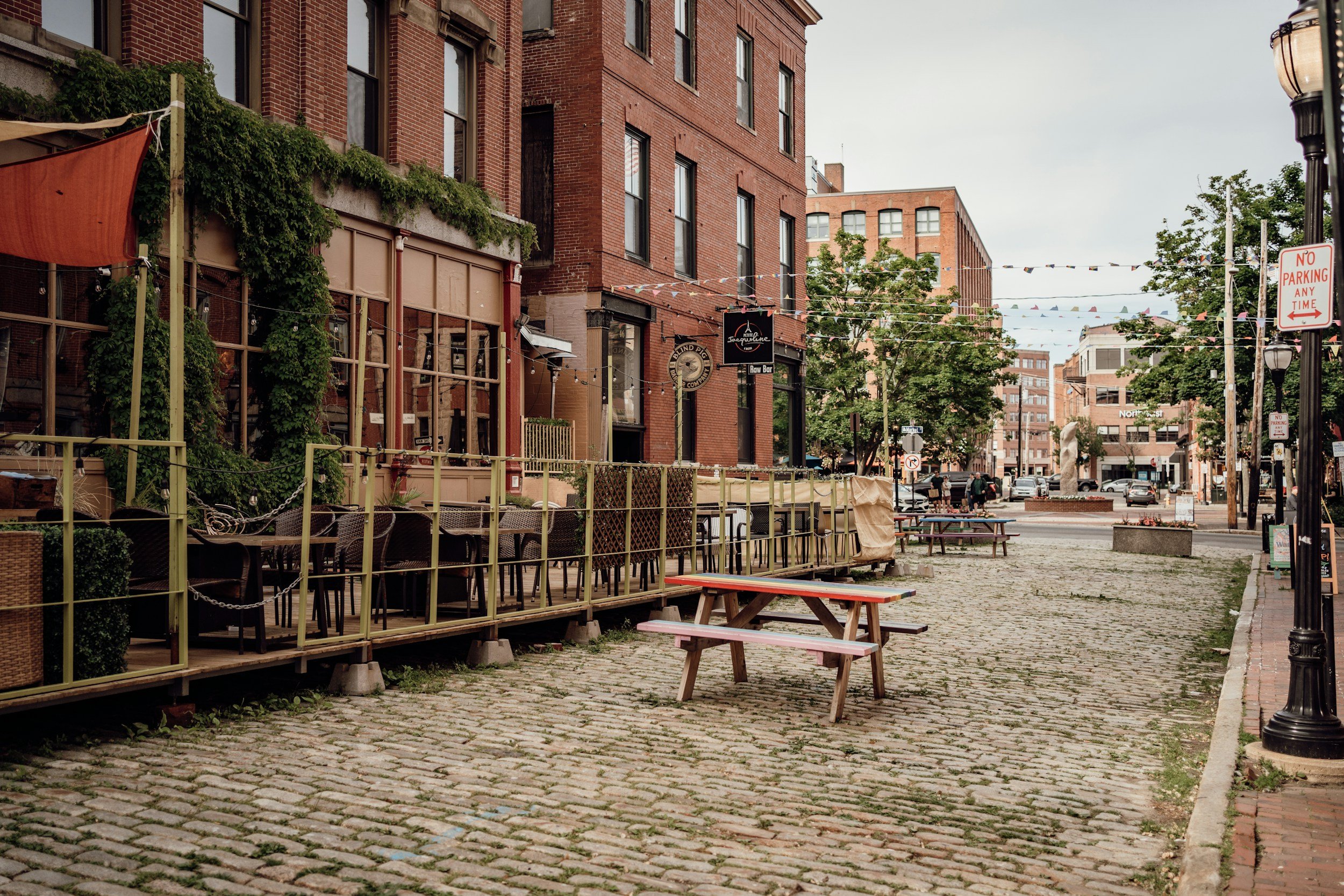
Portland
Portland punches well above its size in almost every category that matters to the discerning traveler. A compact peninsula city with a working waterfront, its Old Port district hums with energy — James Beard-recognized restaurants, independent boutiques, and a craft spirits scene that has drawn serious national attention. The Portland Museum of Art holds an exceptional collection of Winslow Homer and Andrew Wyeth, and the city's ferry connections put the outer islands within easy reach for an afternoon excursion. With a private car from High Head, the drive south along Route 1 is itself part of the pleasure — a ribbon of coastline, fishing villages, and farm stands that makes the destination feel earned.
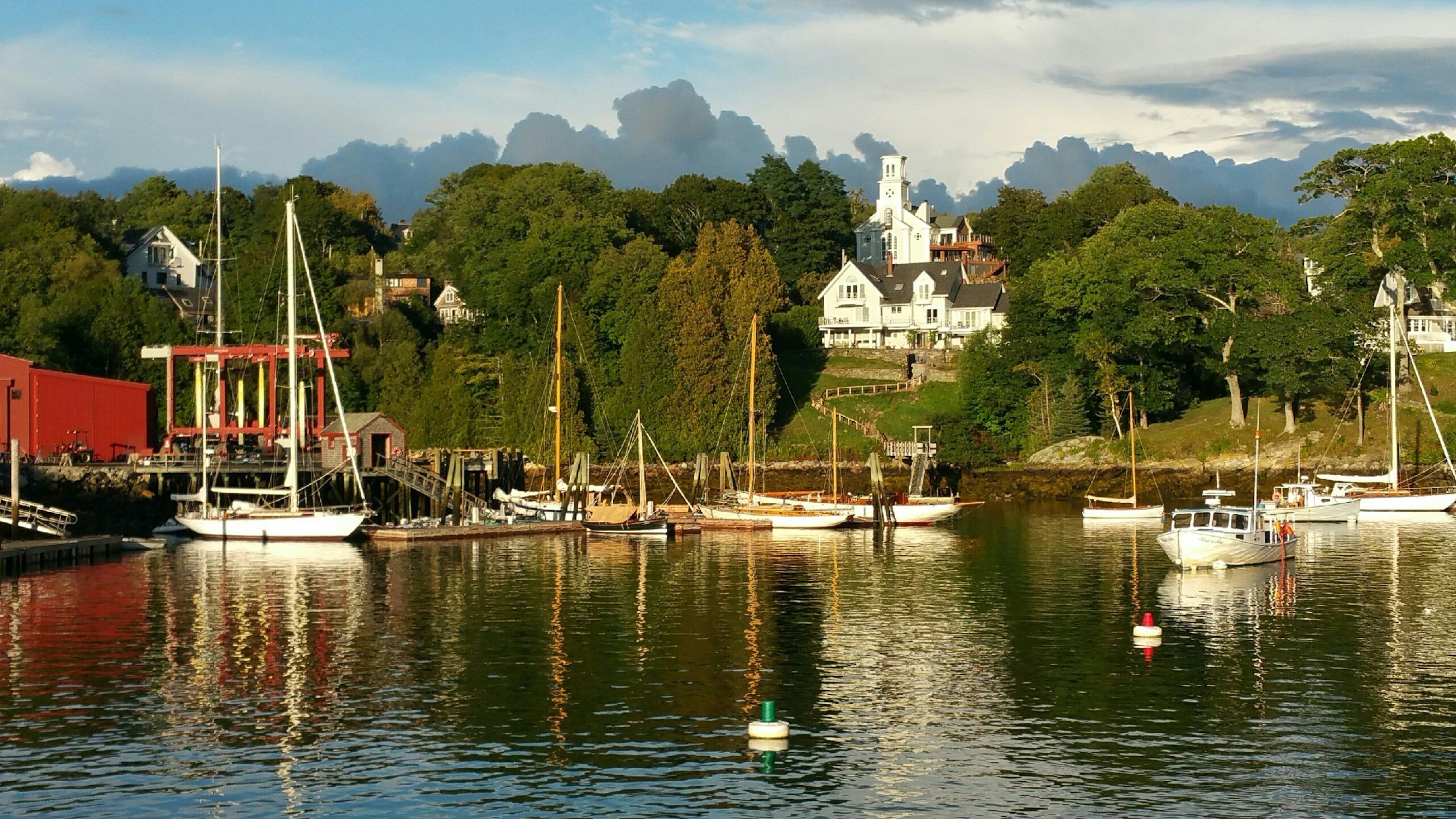
Camden, Rockport & Rockland
The Midcoast is where Maine's identity crystallizes — a working waterfront culture layered beneath a thriving arts scene and some of the finest dining north of Boston. Camden's harbor, framed by the Camden Hills, is one of the most photographed anchorages in New England, and with private transport or a charter sail at your disposal, arriving by water makes the experience complete. Rockland, once overlooked, now anchors a serious culinary and gallery corridor, home to the Farnsworth Art Museum and restaurants that draw chefs and food writers from well beyond the region. Together, these towns offer the rare combination of authentic character and genuine sophistication — unhurried, unpretentious, and entirely on their own terms.
Bangor
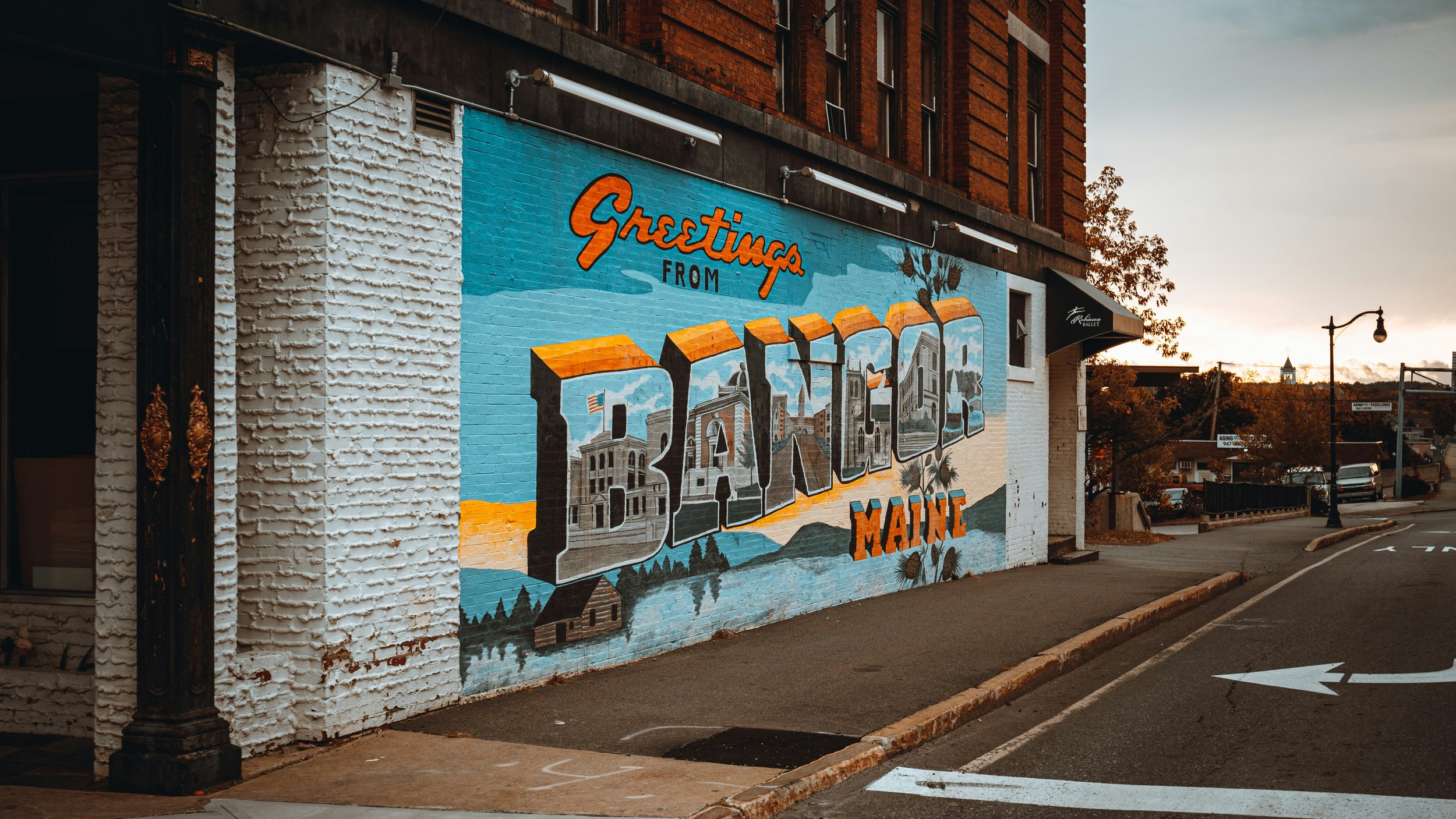
Bangor serves as the gateway to Maine's vast interior, and for guests whose appetite runs toward the expansive and the undiscovered, it's a compelling excursion from High Head. The city is more layered than its utilitarian reputation suggests — a handsome downtown with Victorian architecture, a growing food and arts scene, and proximity to the Penobscot River's storied salmon waters. It's also the practical hub for accessing the North Maine Woods, the Allagash, and some of the most remote fly-fishing, paddling, and wilderness in the Northeast. For the guest who wants to slip beyond the postcard version of Maine and into its rawer, wilder self, Bangor is where that journey begins.
Downeast: Eastport, Lubec & Machias
The true Downeast — Eastport, Lubec, Machias and the rugged coastline stretching toward the Canadian border — is Maine before the crowds discovered it, and it remains fiercely, beautifully itself. This is the edge of the country in the most literal sense: Eastport is the easternmost city in the United States, and the tides here, among the highest in the world, create a marine environment unlike anywhere else on the Atlantic coast. Puffin colonies, bold eagle sightings, and the kind of silence that city life has made rare await those willing to venture beyond the well-worn route. Arriving by private sail along this coastline — past Bold Coast headlands and into Cobscook Bay — is an experience that belongs to an entirely different register than ordinary travel.
Summer in Maine
There are things that only happen here.
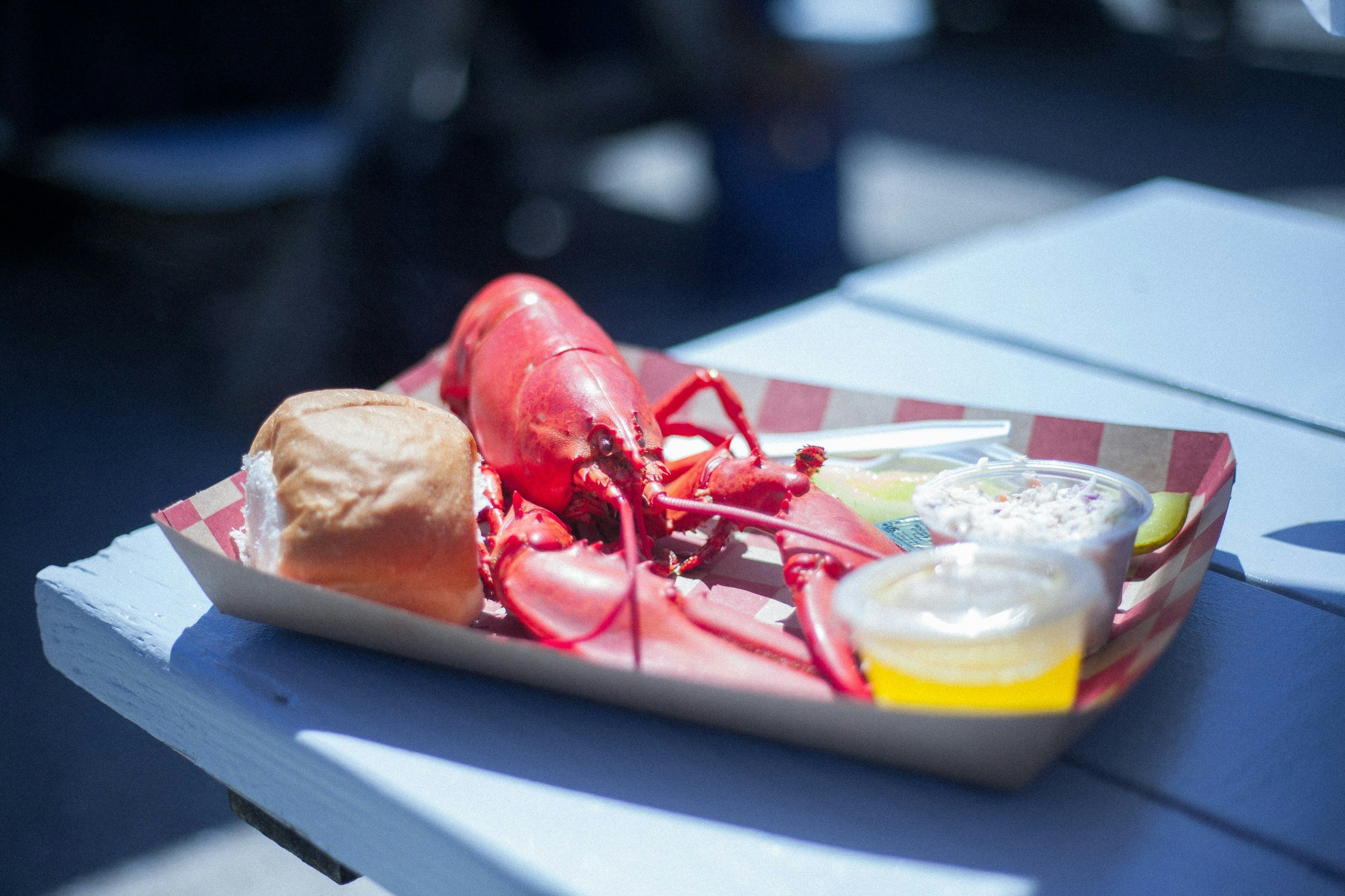
There is a version of summer that exists only in Maine, and only for a few months, and people who have experienced it tend to organize their lives around returning to it. It begins with the cold. The water here never warms to comfort — it stays bracingly cold all season — and that coldness is part of what makes everything else taste better. Lobsters pulled from these waters and eaten the same day, with drawn butter and cold beer at a weathered picnic table overlooking the harbor, are simply not replicable anywhere else on earth. The biology of cold-water lobster — denser, sweeter, more complex than what is served in restaurants a thousand miles away — is the product of this specific ocean, these specific temperatures, these specific fishing grounds. The summer seafood from these shores includes lobster, shrimp, scallops, clams, mussels, various fish, and sea urchins — much of it landed within view of where you're eating it.
Each July, the Stonington Lobster Boat Races take over Stonington Harbor — nearly 100 lobster boats lining up in one of the most authentic and visually spectacular working-harbor events on the Maine coast, with the town buzzing from early morning through the afternoon. This is not a festival created for visitors. It is a genuine tradition, rooted in the fishing community that has worked these waters for generations, and guests who witness it understand immediately that they are seeing something real.
There are wild blueberries, ripening in August across the granite barrens, sweet and intense in a way that cultivated berries are not. There are bald eagles overhead, harbor seals on the ledges, and porpoises in the Reach. There are farmers' markets with produce grown in soil a mile from where you're standing, and roadside stands where a handwritten sign and an honor box is the entire transaction. And there is the light — the particular quality of afternoon light on the water in August in coastal Maine, which painters have been attempting to capture for 150 years and which rewards the patient and the quiet.